How Can I Remodel a Bathroom for Aging in Place?
Key Takeaways
Q: What are the most important bathroom features for aging in place?
Zero-threshold showers, grab bars, comfort-height toilets, and non-slip flooring provide essential safety and accessibility for successful aging in place.
Q: How much does a bathroom aging in place remodel typically cost?
Basic accessibility upgrades range $8,000-15,000, while comprehensive aging in place remodels typically cost $20,000-40,000 depending on scope and features.
Q: Can I make my bathroom safer without a full remodel?
Yes, installing grab bars, adding shower seats, improving lighting, and replacing fixtures with accessible models can significantly enhance safety affordably.
Q: What’s the difference between ADA compliance and aging in place design?
Aging in place design focuses on comfort and gradual accessibility needs, while ADA compliance meets specific disability standards with stricter dimensional requirements.
Q: Should I install a walk-in tub or curbless shower for aging in place?
Curbless showers typically offer more flexibility, easier maintenance, and better resale value, while walk-in tubs suit specific mobility needs and preferences.
Q: What safety features should every aging in place bathroom include?
Proper lighting, non-slip surfaces, accessible storage, emergency communication systems, and strategically placed grab bars create comprehensive safety foundations.
Short Answer
Create an aging in place bathroom through zero-threshold showers, comfort-height fixtures, strategic grab bar placement, non-slip flooring, enhanced lighting, and accessible storage that promotes safety and independence for decades.
Why Aging in Place Bathroom Design Matters
Bathroom safety becomes increasingly critical as we age, with bathroom falls representing 80% of home accidents for adults over 65. Proactive bathroom remodeling allows individuals to maintain independence, dignity, and comfort in their own homes while avoiding institutional care costs and lifestyle disruption.
Well-designed aging in place bathrooms anticipate changing mobility needs while maintaining style and functionality that serves the entire family. These improvements often increase home value while providing immediate safety benefits and long-term adaptability.
Aging in Place Statistics and Benefits
- Independence Extension: Proper modifications can extend home living by 10-15 years
- Fall Prevention: Bathroom safety features reduce accident risk by 60-75%
- Cost Savings: Home modifications cost significantly less than assisted living ($4,000/month average)
- Family Peace of Mind: Safety improvements reduce family stress and emergency incidents
- Home Value: Accessibility features increasingly appeal to broader buyer markets
Essential Aging in Place Bathroom Features
Strategic bathroom modifications address current needs while anticipating future mobility changes through adaptable design elements that grow with changing abilities.
Zero-Threshold Shower Systems
Curbless Shower Benefits:
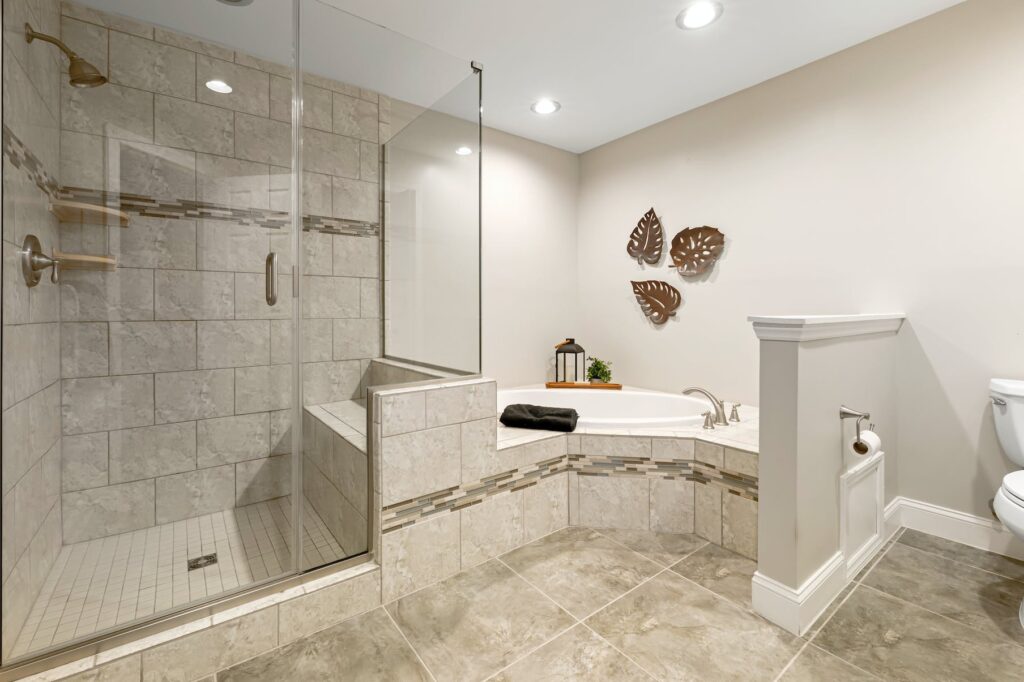
- Eliminates tripping hazards and entry barriers
- Accommodates wheelchairs, walkers, and mobility aids
- Creates seamless, modern appearance
- Simplifies cleaning and maintenance
- Provides flexibility for changing needs
Design Considerations:
- Proper floor sloping for effective drainage (minimum 1/4 inch per foot)
- Linear drains positioned for optimal water flow
- Waterproofing systems that prevent moisture damage
- Slip-resistant flooring materials throughout
- Glass panels or curtains that don’t impede access
Installation Requirements:
- Professional assessment of subfloor and drainage systems
- Potential floor lowering to achieve proper slope
- Upgraded waterproofing and membrane systems
- Coordination with plumbing rough-in modifications
- Integration with existing bathroom layout and design
Grab Bar Placement and Selection
| Location | Purpose | Recommended Size | Installation Notes |
|---|---|---|---|
| Shower Entry | Balance support entering/exiting | 24–36 inches | Horizontal placement at 33–36″ height |
| Shower Interior | Stability while bathing | 24–36 inches | Corner placement or L-shaped configuration |
| Toilet Side Wall | Transfer assistance | 42 inches | Horizontal, 12″ from toilet centerline |
| Toilet Back Wall | Standing support | 24–36 inches | Vertical or horizontal based on preference |
| Vanity Area | Balance during grooming | 18–24 inches | Coordinate with mirror and lighting placement |
Grab Bar Material and Style Options:
- Stainless Steel: Durable, hygienic, modern appearance
- Decorative Finishes: Oil-rubbed bronze, brushed nickel for style coordination
- Textured Grips: Enhanced holding surface for wet conditions
- Folding Models: Space-saving options that fold against wall when not needed
Universal Design Principles for Bathroom Accessibility
Universal design creates spaces that accommodate the widest range of ages and abilities without compromising aesthetics or functionality.
Fixture Selection and Placement
Comfort-Height Toilets:
- 17-19 inch seat height (compared to standard 15 inches)
- Easier sitting and standing for most adults
- Wall-mounted options for adjustable height and easier cleaning
- Integrated bidet features for enhanced hygiene and independence
Accessible Vanity Design:
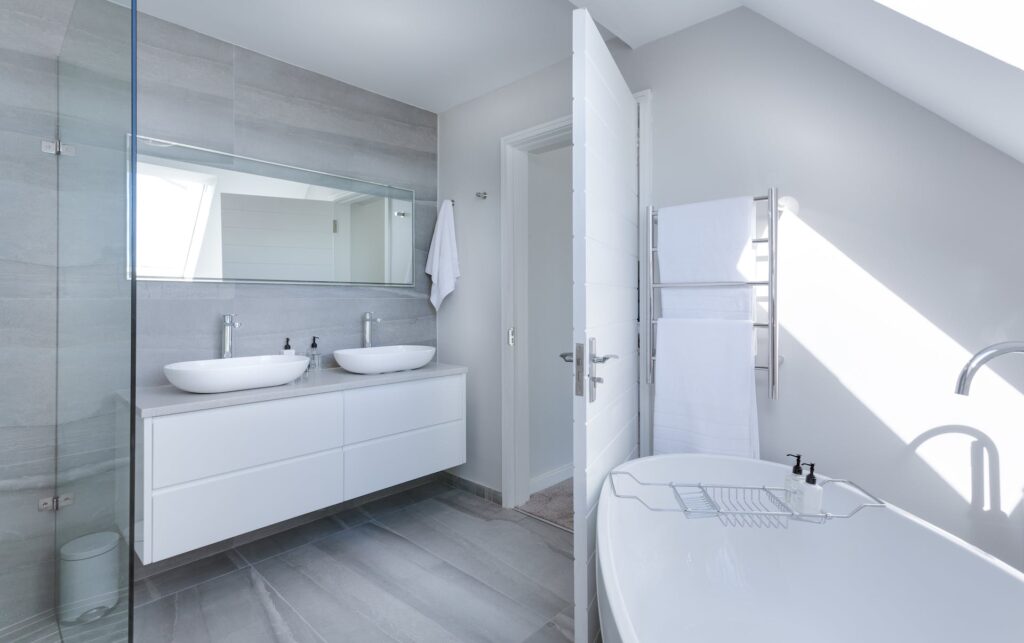
- 32-34 inch counter height for seated use compatibility
- Knee clearance underneath for wheelchair or seated access
- Single-lever faucets with lever or sensor operation
- Pull-out or side-mounted storage for easy reach
Storage Accessibility:
- Counter-level storage for daily essentials
- Pull-out drawers instead of deep cabinets
- Open shelving at multiple heights
- Medicine cabinets at appropriate heights for seated and standing use
Lighting and Visibility Enhancement
Comprehensive Lighting Strategy:
- Ambient Lighting: General illumination eliminating shadows and dark areas
- Task Lighting: Focused lighting for grooming, reading labels, and detailed activities
- Accent Lighting: Night lighting for safe navigation without full illumination
- Natural Light: Windows and skylights providing daytime visibility
Advanced Lighting Features:
- Motion sensors for hands-free activation
- Dimmer controls for adjustable brightness levels
- LED technology for long-lasting, energy-efficient operation
- Color temperature selection for optimal visibility and comfort
Safety and Accessibility Material Selection
Material choices significantly impact safety, maintenance, and long-term usability for aging in place bathroom environments.
Flooring Solutions for Safety and Style
Non-Slip Flooring Options:
- Textured Porcelain Tile: Slip-resistant surface with easy maintenance
- Natural Stone with Honed Finish: Attractive appearance with improved traction
- Luxury Vinyl with Texture: Water-resistant, comfortable underfoot
- Rubber Flooring: Maximum slip resistance, cushioned surface
Safety Design Features:
- Consistent flooring throughout bathroom eliminates trip hazards
- Contrasting borders help define spaces and edges
- Transition strips between different materials minimize height differences
- Proper drainage slopes prevent water accumulation
Wall and Surface Materials
Low-Maintenance, Durable Options:
- Large Format Tiles: Fewer grout lines, easier cleaning
- Solid Surface Materials: Seamless appearance, repairable surfaces
- Cultured Stone: Natural appearance with consistent texture
- High-Quality Paint: Easy touch-ups, frequent cleaning capability
Accessibility Considerations:
- Smooth surfaces for easy cleaning and maintenance
- Contrasting colors help define edges and fixtures
- Antimicrobial properties reduce maintenance requirements
- Durable finishes withstand grab bar installation and daily use

The Classic Home Contractors Story: Creating Dignity Through Design
At Classic Home Contractors, we approach aging in place bathroom remodeling with deep respect for the dignity, independence, and comfort that proper design provides. Our commitment goes beyond simple accessibility compliance to creating beautiful, functional spaces that enhance quality of life while anticipating future needs.
Trust & Transparency in Accessibility Planning: We provide honest assessments of current and anticipated needs, helping families plan modifications that serve both immediate requirements and long-term aging goals. Our transparent approach includes discussing sensitive topics with care and respect for individual preferences.
The Classic Way of Thoughtful Design: We understand that aging in place modifications must balance safety with style, functionality with aesthetics. Our designs ensure that accessibility features enhance rather than compromise the bathroom’s appearance, creating spaces that feel welcoming to family members of all ages.
The Foundation of Trust: Gil’s experience taught us that the most meaningful projects serve fundamental human needs for safety, dignity, and independence. We approach every aging in place project knowing that our work directly impacts daily comfort and long-term quality of life.
Let’s Create Wonders Together: Aging in place bathrooms should feel like sanctuaries that support independence and confidence. We create spaces that allow individuals to maintain their routines, privacy, and sense of home while providing the safety features that enable successful aging in familiar surroundings.
Budget-Friendly Aging in Place Modifications
Strategic, phased improvements allow homeowners to enhance bathroom safety and accessibility within various budget constraints while building toward comprehensive solutions over time.
Low-Cost Safety Improvements ($500-2,500)
Immediate Impact Modifications:
- Grab Bar Installation: Professional mounting in shower, toilet, and vanity areas
- Raised Toilet Seats: Temporary height adjustment with safety arms
- Shower Seats: Fold-down or portable seating for bathing safety
- Non-Slip Treatments: Applied to existing tile and tub surfaces
- Improved Lighting: LED bulbs, additional fixtures, motion sensors
DIY-Friendly Updates:
- Lever-style faucet handles replacing round knobs
- Hand-held shower heads with adjustable mounting brackets
- Toilet safety rails that don’t require wall mounting
- Bath mats and non-slip strips for immediate traction
- Contrasting tape on step edges and thresholds
Mid-Range Accessibility Upgrades ($2,500-8,000)
Fixture Replacements:
- Comfort-height toilet installation with proper mounting
- Walk-in shower conversion from existing tub
- Accessible vanity with knee clearance and appropriate height
- Enhanced lighting systems with multiple control options
Safety System Integration:
- Professional grab bar installation with proper backing
- Curbless shower threshold modification
- Slip-resistant flooring in high-risk areas
- Emergency communication systems or panic buttons
Comprehensive Aging in Place Remodel ($8,000-25,000+)
Complete Bathroom Transformation:
- Full accessibility layout with universal design principles
- Zero-threshold shower with bench seating and multiple shower heads
- Accessible vanity with seated use capability
- Comfort-height fixtures throughout
- Comprehensive lighting and ventilation upgrades
Advanced Accessibility Features:
- Smart home integration for lighting, temperature, and emergency systems
- Heated flooring for comfort and safety
- Automated fixtures reducing physical demands
- Climate control systems for year-round comfort
Technology Integration for Enhanced Independence
Modern technology offers innovative solutions that support aging in place goals through automated systems, safety monitoring, and convenience features.
Smart Bathroom Technologies
Automated Fixture Benefits:
- Motion-Sensor Faucets: Hands-free operation reducing physical demands
- Smart Toilets: Integrated bidet functions, heated seats, automatic flushing
- Programmable Shower Systems: Preset temperature and flow preferences
- Voice-Activated Lighting: Hands-free illumination control
Safety and Monitoring Systems:
- Fall Detection Sensors: Automatic emergency response systems
- Medication Reminders: Integrated systems for daily routine support
- Temperature Monitoring: Preventing scalding and maintaining comfort
- Emergency Communication: One-touch systems connecting to family or services
Future-Proofing Technology Infrastructure
Wiring and Connectivity Planning:
- Additional electrical circuits for future technology needs
- Wi-Fi boosters ensuring strong bathroom connectivity
- USB charging stations integrated into vanity design
- Flexible conduit systems allowing future upgrades
Adaptable Control Systems:
- Large, easy-to-read displays and controls
- Voice activation compatibility for physical limitations
- Smartphone app integration for family monitoring and support
- Backup manual controls ensuring functionality during outages
Layout Optimization for Aging in Place
Thoughtful space planning creates bathrooms that accommodate mobility aids while maintaining comfort and functionality for all family members.
Space Planning for Mobility Aids
Wheelchair Accessibility Standards:
- Turning Space: 60-inch diameter clear floor space for wheelchair maneuvering
- Approach Areas: 30×48 inch clear floor space in front of fixtures
- Transfer Space: 36-inch minimum beside toilet and shower for safe transfers
- Door Width: 32-inch minimum clear opening width for wheelchair passage
Walker and Mobility Aid Considerations:
- Clear pathways without obstacles or tight corners
- Adequate space for assistive device storage when not in use
- Easy-to-navigate layouts reducing fatigue and fall risk
- Multiple grab points for balance support throughout space
Multi-Generational Bathroom Design
Family-Friendly Accessibility:
- Features that benefit all ages, from children to grandparents
- Style choices that don’t appear clinical or institutional
- Flexible elements that can be adjusted as needs change
- Storage solutions accommodating various family member needs
Resale Value Considerations:
- Accessibility features increasingly valued by all buyer demographics
- Universal design appeal extending beyond aging population
- Quality materials and installation protecting long-term value
- Attractive appearance maintaining broad market appeal
Professional Planning and Installation Considerations
Aging in place bathroom remodels require specialized knowledge of accessibility standards, safety requirements, and building codes to ensure optimal results.
Working with Accessibility Specialists
Certified Aging in Place Specialist (CAPS) Benefits:
- Specialized training in aging in place design and safety
- Knowledge of current accessibility standards and best practices
- Experience with adaptive equipment and technology integration
- Understanding of Medicare, insurance, and grant funding options
Occupational Therapist Consultation:
- Professional assessment of individual mobility and safety needs
- Recommendations for specific modifications based on current abilities
- Planning for progressive modifications as needs change over time
- Training on proper use of safety features and equipment
Building Code and Permit Requirements
Local Code Compliance:
- Bathroom modifications typically require building permits
- Electrical work for lighting and technology requires electrical permits
- Plumbing changes for fixture modifications need plumbing permits
- Accessibility features must meet local safety standards
Insurance and Liability Considerations:
- Professional installation ensures warranty coverage and safety compliance
- Licensed contractor work protects homeowner liability
- Proper permits maintain insurance coverage validity
- Quality installation prevents future safety issues and expensive repairs
Financing Aging in Place Bathroom Modifications
Various funding sources and financial strategies help make aging in place bathroom improvements accessible regardless of initial budget constraints.
Insurance and Medicare Coverage
Medicare Coverage Possibilities:
- Durable medical equipment like shower seats and raised toilet seats
- Some grab bars and safety equipment with physician prescription
- Limited coverage for modifications deemed medically necessary
- Supplemental insurance may provide additional modification coverage
Homeowner’s Insurance Considerations:
- Some policies cover modifications for accident prevention
- Disability-related modifications may qualify for coverage
- Document modifications for insurance and tax purposes
- Professional installation protects coverage and liability
Grant and Assistance Programs
Government Programs:
- USDA Rural Development: Grants for rural homeowners
- Veterans Affairs: Specially Adapted Housing grants for eligible veterans
- State and Local Programs: Varying assistance programs by location
- Area Agencies on Aging: Local resources and funding information
Non-Profit and Community Resources:
- Habitat for Humanity accessibility modification programs
- Faith-based organizations offering volunteer assistance
- Community development block grants for qualifying homeowners
- Local foundations focused on aging and accessibility support
Tax Benefits and Deductions
Federal Tax Considerations:
- Medical expense deductions for medically necessary modifications
- Home improvement credits for accessibility features
- Capital improvement documentation for future sale preparation
- Professional tax advice for optimal benefit claiming
Maintenance and Long-Term Care
Proper maintenance of aging in place bathroom features ensures continued safety and functionality while protecting the investment in accessibility improvements.
Safety Feature Maintenance
Regular Inspection Requirements:
- Grab Bars: Monthly checks for loose mounting or wear
- Non-Slip Surfaces: Weekly cleaning to maintain traction
- Lighting Systems: Regular bulb replacement and sensor testing
- Plumbing Fixtures: Prompt attention to leaks or operational issues
Professional Maintenance Scheduling:
- Annual safety inspections of all accessibility features
- Professional cleaning and maintenance of specialized equipment
- Technology system updates and troubleshooting
- Preventive maintenance preventing expensive repairs
Adapting to Changing Needs
Modification Planning:
- Regular assessment of changing mobility and safety needs
- Planning for additional features as abilities change
- Budget planning for future modifications and upgrades
- Family communication about evolving needs and preferences
Future Enhancement Options:
- Technology upgrades as new products become available
- Additional safety features based on changing health conditions
- Style updates maintaining attractiveness and family satisfaction
- Resale preparation maintaining broad market appeal
Resources for Aging in Place Bathroom Planning
Internal Resources (Classic Home Contractors)
- Complete Bathroom Permit Guide – Understanding permit requirements for accessibility modifications
- Bathroom Budget Planning – Cost planning for aging in place features
- Finding Accessibility Contractors – Selecting qualified professionals for aging in place projects
- Free Aging in Place Consultation – Personalized assessment and planning: (619) 555-0123
- Accessibility Feature Portfolio – View completed aging in place bathroom transformations
External Resources (Professional Organizations)
- National Association of Home Builders – Certified Aging in Place Specialist (CAPS) program and contractor directory
- AARP Home and Community Preferences – Research and resources for aging in place planning
- National Institute on Aging – Home safety and aging in place health information
- Paralyzed Veterans of America – Accessibility design standards and modification guidance
- United Spinal Association – Universal design resources and accessibility information
Government and Funding Resources
- Medicare.gov – Coverage information for durable medical equipment and modifications
- Veterans Affairs – Specially Adapted Housing grants and accessibility modification programs
- USDA Rural Development – Rural housing modification grants and assistance programs
- Area Agencies on Aging – Local aging resources and modification assistance programs
- Internal Revenue Service – Tax deduction information for medical home modifications
Accessibility Standards and Guidelines
- ADA National Network – Americans with Disabilities Act compliance information
- Center for Universal Design – Universal design principles and guidelines
- International Code Council – Accessibility building codes and standards
- Fair Housing Accessibility Guidelines – Federal accessibility standards and requirements
Product and Technology Resources
- Aging in Place Technology Companies – Smart home and safety technology specifically designed for aging adults
- Medical Equipment Suppliers – Durable medical equipment and bathroom safety products
- Accessibility Product Manufacturers – Specialized fixtures, grab bars, and aging in place equipment
- Home Automation Companies – Smart home integration for aging in place safety and convenience
Getting Started: Your Aging in Place Bathroom Journey
Create a safe, comfortable bathroom that supports independence and dignity while anticipating future needs through thoughtful planning and quality implementation.
Planning Your Aging in Place Bathroom:
- Assess Current and Future Needs: Evaluate mobility, safety concerns, and anticipated changes
- Consult Healthcare Professionals: Get input from doctors, occupational therapists, or aging specialists
- Set Realistic Budget: Plan for immediate needs and future modifications over time
- Research Qualified Contractors: Find professionals experienced in aging in place design
- Plan for Family Needs: Consider how modifications affect all household members
Professional Partnership Benefits: Choose contractors with aging in place experience who understand the unique balance of safety, style, and functionality required for successful modifications. Look for professionals with CAPS certification or similar aging in place specialization.
Ready to create a bathroom that supports your independence and enhances your quality of life for years to come? Contact Classic Home Contractors for a comprehensive aging in place consultation where we’ll assess your current bathroom, discuss your goals and concerns, and recommend modifications that provide safety, comfort, and dignity.
Let’s create wonders together—starting with a bathroom that empowers you to age gracefully and independently in the home you love, surrounded by the comfort and familiarity that makes life meaningful.
Classic Home Contractors specializes in aging in place bathroom modifications throughout San Diego County. Our commitment to safety, dignity, and quality ensures your bathroom supports independence while maintaining the style and comfort your family deserves.