Where Can I Find Eco-Friendly Backyard Remodel Ideas?
Key Takeaways
Q: Where can I find eco-friendly backyard remodel ideas?
A: Top sources include sustainable landscaping websites, native plant societies, green building resources, Pinterest eco boards, and local environmental organizations.
Q: What are the best eco-friendly backyard features to include?
A: Native plant gardens, rainwater harvesting, permeable hardscaping, solar lighting, composting areas, and recycled material installations offer sustainability.
Q: How much do eco-friendly backyard remodels cost?
A: Sustainable backyard remodels cost $10,000-$40,000 in San Diego, often saving money long-term through reduced water and energy bills.
Q: What materials are most sustainable for backyard remodels?
A: Reclaimed wood, recycled concrete, permeable pavers, bamboo fencing, and locally-sourced stone minimize environmental impact.
Q: Do eco-friendly backyards require more maintenance?
A: Well-designed sustainable backyards often require less maintenance due to native plants, drought-tolerance, and natural pest management.
Q: Can eco-friendly remodels increase home value?
A: Yes, sustainable features can increase home value by 5-15% while reducing utility costs and appealing to environmentally conscious buyers.
Quick Answer
Find eco-friendly backyard ideas through sustainable landscaping websites, native plant societies, green building resources, and local environmental organizations that showcase climate-appropriate solutions.


Top Resources for Eco-Friendly Backyard Inspiration
The best sustainable backyard ideas combine environmental responsibility with beautiful, functional outdoor spaces tailored to San Diego’s Mediterranean climate. These resources provide both inspiration and practical guidance for eco-conscious homeowners.
Professional Design Resources:
- Sustainable Sites Initiative (SITES): Certification program with project showcases
- California Native Plant Society: Regional plant guides and garden examples
- San Diego County Water Authority: Drought-tolerant landscaping resources
- Green Building Advisor: Sustainable outdoor construction techniques
- Landscape Architecture Magazine: Eco-friendly project case studies
Online Inspiration Platforms:
- Pinterest Eco Boards: Curated sustainable landscaping ideas
- Houzz Green Design: Professional eco-friendly backyard projects
- Instagram Hashtags: #sustainablelandscaping #nativeplants #ecobackyard
- YouTube Channels: Permaculture design and sustainable gardening tutorials
- Reddit Communities: r/NativePlantGardening and r/Permaculture
Local San Diego Resources:
- San Diego Botanic Garden: Native plant demonstrations and workshops
- UC Cooperative Extension: Research-based sustainable gardening information
- Surfrider Foundation: Ocean-friendly landscaping guidelines
- San Diego Green Building Council: Sustainable construction resources
- Local Native Plant Nurseries: Theodore Payne Foundation, Tree of Life
Essential Eco-Friendly Backyard Features
Successful sustainable backyards integrate multiple eco-friendly elements that work together to create resilient, beautiful outdoor spaces. These features reduce environmental impact while enhancing functionality and aesthetics.
Water Conservation Systems:
- Rainwater Harvesting: Cisterns, rain barrels, and bioswales
- Greywater Systems: Recycling shower and laundry water for irrigation
- Drip Irrigation: Efficient watering targeting plant root zones
- Permeable Surfaces: Allowing rainwater infiltration and reducing runoff
- Native Plant Gardens: Requiring minimal supplemental irrigation
Sustainable Materials:
- Reclaimed Wood: Decking, fencing, and raised garden beds
- Recycled Concrete: Pathways, retaining walls, and decorative elements
- Permeable Pavers: Made from recycled materials allowing water infiltration
- Bamboo Structures: Fast-growing renewable fencing and screening
- Local Stone: Reducing transportation impact and supporting regional economy
Energy Efficient Features:
- Solar Lighting: LED fixtures powered by renewable energy
- Solar Water Features: Fountains and pumps using solar panels
- Natural Shade: Strategic tree placement reducing cooling costs
- Solar Pool Heating: Renewable energy for pool temperature control
- Energy-Efficient Outdoor Appliances: ENERGY STAR rated equipment
Wildlife Support Systems:
- Native Plant Habitats: Supporting local bird and pollinator populations
- Bird Houses and Bee Hotels: Providing nesting opportunities
- Butterfly Gardens: Plants specifically chosen for lepidoptera lifecycles
- Natural Pest Control: Beneficial insects and companion planting
- Chemical-Free Maintenance: Organic fertilizers and integrated pest management
Cost Analysis: Eco-Friendly vs. Traditional Backyard Features
| Feature Category | Traditional Cost | Eco-Friendly Cost | Long-Term Savings | Environmental Benefit |
|---|---|---|---|---|
| Lawn Replacement | $3-8/sq ft annually | $5-12/sq ft one-time | $500-1,500/year water savings | 70% less water usage |
| Irrigation System | $2,500-4,000 | $3,000-5,000 | $300-800/year | 30-50% water reduction |
| Hardscaping | $8-15/sq ft | $10-20/sq ft | Minimal maintenance | Stormwater management |
| Lighting Systems | $200-500/year electricity | $500-1,500 upfront | $150-400/year | Zero ongoing energy cost |
| Plant Materials | $5-15/sq ft + replacement | $8-25/sq ft one-time | Reduced replacement costs | Carbon sequestration |
| Composting System | $200/month waste service | $200-800 setup | $100-300/year | Waste stream reduction |
| Complete Remodel | $15,000-35,000 | $18,000-40,000 | $1,000-3,000/year | Significant impact reduction |
Step-by-Step Eco-Friendly Backyard Planning Process
Creating sustainable outdoor spaces requires thoughtful planning that considers local climate, existing conditions, and long-term environmental impact. This systematic approach ensures maximum eco-friendly benefits.
Phase 1: Site Assessment and Goal Setting (Weeks 1-2)
- Environmental Audit: Evaluate sun exposure, drainage, soil conditions, and microclimates
- Water Usage Analysis: Review current irrigation costs and identify conservation opportunities
- Wildlife Assessment: Document existing beneficial insects, birds, and natural habitats
- Sustainability Goals: Define water savings, energy reduction, and waste minimization targets
- Budget Planning: Allocate funds prioritizing high-impact sustainable features
Phase 2: Design Development (Weeks 3-4)
- Native Plant Selection: Choose climate-appropriate species supporting local ecosystems
- Water Management Design: Plan rainwater capture, greywater systems, and efficient irrigation
- Material Sourcing: Identify reclaimed, recycled, and locally-sourced construction materials
- Energy Planning: Design solar lighting, natural shade, and renewable energy systems
- Waste Reduction Strategy: Plan composting, recycling, and construction waste minimization
Phase 3: Sustainable Material Procurement (Week 5)
- Reclaimed Material Sourcing: Locate salvaged wood, stone, and decorative elements
- Native Plant Purchasing: Buy from local native plant nurseries and plant sales
- Recycled Product Selection: Choose permeable pavers, recycled plastic lumber, and eco-friendly supplies
- Local Contractor Coordination: Ensure sustainable installation practices and waste management
- Delivery Optimization: Minimize transportation impact through efficient scheduling
Phase 4: Installation and Construction (Weeks 6-10)
- Soil Preparation: Amend with compost, ensure proper drainage, minimize disturbance
- Hardscape Installation: Install permeable surfaces, rainwater management features
- Planting Implementation: Native plants, organic mulching, establishment watering
- System Integration: Solar lighting, irrigation, composting areas, and water features
- Final Touches: Organic soil amendments, beneficial insect habitats, maintenance planning
The Classic Home Contractors Story: Sustainable Excellence
At Classic Home Contractors, we believe that beautiful outdoor spaces should enhance both your family’s life and the environment around us. Our commitment to eco-friendly practices reflects our deepest values and our responsibility to future generations.
Trust & Transparency in Sustainability: We provide honest assessments of which eco-friendly features will deliver the greatest environmental and financial benefits for your specific property. Our transparent approach includes discussing upfront costs alongside long-term savings, ensuring you make informed decisions about sustainable investments.
The Classic Way of Environmental Stewardship: We respect both your vision and our shared environment by recommending solutions that work beautifully for your family while supporting local ecosystems. Our careful planning process considers water conservation, native habitats, and sustainable material use from the very beginning of every project.
The Foundation of Trust: Gil’s jewelry business taught us that true value comes from materials and craftsmanship that stand the test of time. Just as fine jewelry uses precious materials responsibly, we approach backyard remodeling with respect for natural resources, choosing sustainable materials and methods that will serve your family and the environment for decades.
Let’s Create Wonders Together: We believe your backyard can be a place where your family creates memories while also creating positive environmental impact. Our eco-friendly designs focus on spaces that bring joy to your daily life while supporting the natural world around us—from native plants that attract butterflies to rainwater systems that nourish your garden.
Real Client Experience: Transforming a Water-Hungry Landscape
When the Rodriguez family contacted us, they were frustrated with their beautiful but unsustainable backyard. Their traditional landscape required constant watering, frequent replanting, and expensive maintenance that didn’t align with their environmental values or busy lifestyle.
Their original backyard featured:
- 3,000 square feet of thirsty grass requiring daily watering
- Non-native tropical plants struggling in San Diego’s climate
- Traditional irrigation wasting water through overspray and runoff
- No composting system sending all yard waste to landfills
- Conventional lighting creating high electricity bills
We worked together to create an eco-friendly transformation that exceeded their sustainability goals:
Water Conservation Features:
- Replaced 80% of lawn with drought-tolerant native ground covers
- Installed drip irrigation with smart controllers reducing water use by 60%
- Added rainwater harvesting with decorative cisterns for dry season irrigation
- Created bioswales managing stormwater runoff naturally
Sustainable Materials:
- Reclaimed redwood decking from a demolished San Francisco pier
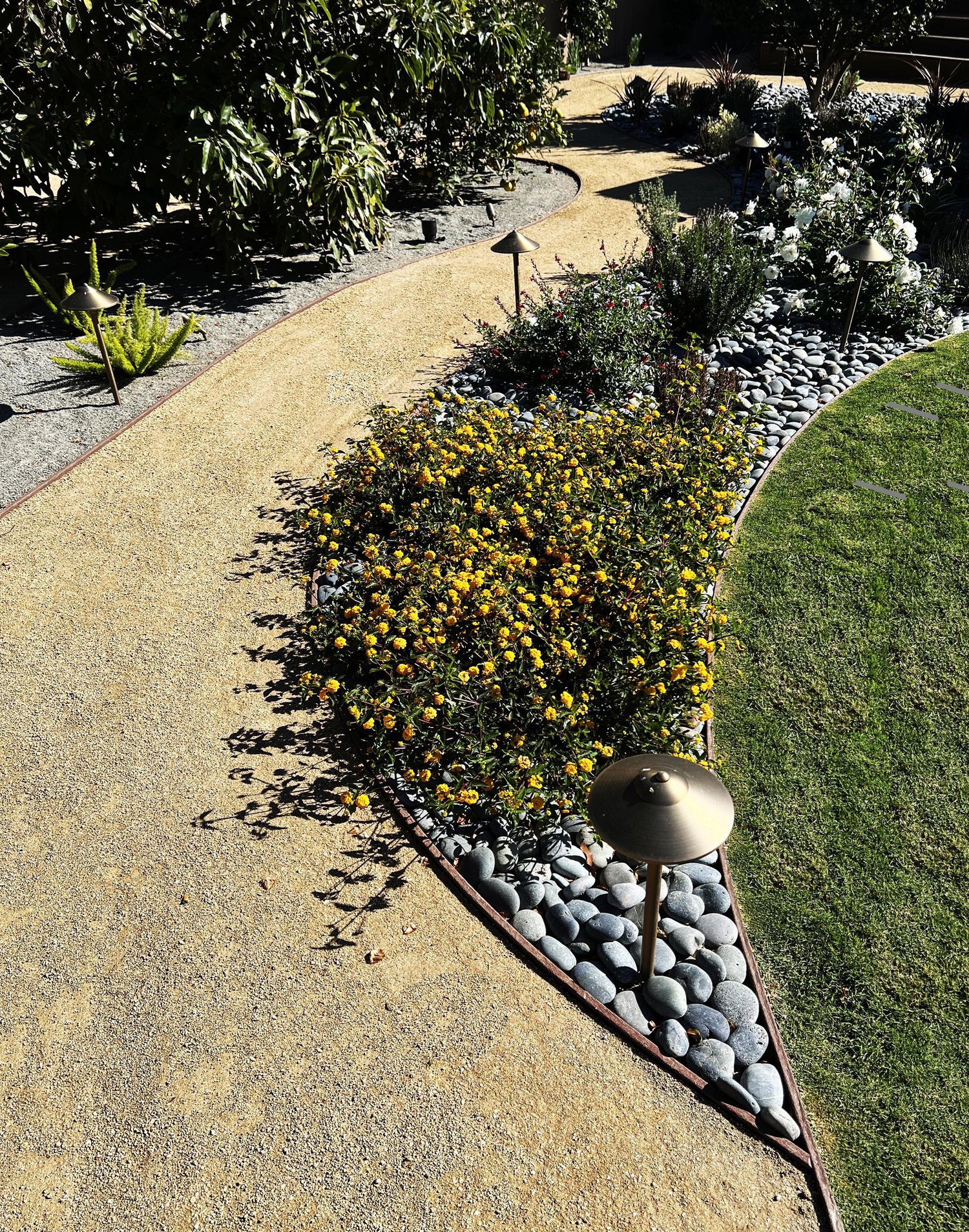
- Permeable gravel pathways allowing natural water infiltration
- Recycled glass mulch providing colorful, long-lasting ground cover
- Bamboo privacy screening offering fast-growing renewable fencing
Wildlife and Ecosystem Support:
- Native California plants including sage, lavender, and ornamental grasses
- Pollinator garden with milkweed, ceanothus, and other butterfly plants
- Composting system turning kitchen and yard waste into rich soil amendments
- Bird-friendly features including native berry plants and water sources
Two years later, the Rodriguez family reports their water bills dropped by 65%, maintenance time decreased dramatically, and their backyard has become a haven for local wildlife. Most importantly, they feel good about their environmental impact while enjoying a more beautiful and functional outdoor space.
Innovative Eco-Friendly Design Ideas
Cutting-edge sustainable backyard features combine environmental benefits with stunning aesthetics and enhanced functionality. These innovative approaches push beyond traditional eco-friendly concepts.
Advanced Water Management:
- Living Walls: Vertical gardens using greywater for irrigation
- Rain Gardens: Landscaped depressions managing stormwater naturally
- Aquaponics Systems: Fish tanks fertilizing vegetable gardens
- Smart Irrigation: Weather-based controllers with soil moisture sensors
- Greywater Laundromats: Outdoor washing stations recycling water for plants
Renewable Energy Integration:
- Solar Pergolas: Shade structures generating electricity for outdoor use
- Wind-Solar Hybrid Systems: Multiple renewable energy sources
- Solar Pool Covers: Heating and cleaning pools with renewable energy
- Battery Storage: Storing solar energy for nighttime outdoor lighting
- Electric Outdoor Kitchens: Induction cooking powered by solar panels
Circular Economy Features:
- Construction Material Reuse: Incorporating demolition waste into new designs
- Community Sharing Stations: Tool libraries and plant exchanges
- Edible Landscaping: Food forests and permaculture design principles
- Natural Building Techniques: Earth construction and living structures
- Zero-Waste Composting: Complete organic waste processing systems
Technology-Enhanced Sustainability:
- Smart Plant Monitoring: Sensors tracking soil moisture and plant health
- Automated Pest Management: Natural predator release systems
- Weather Integration: Systems responding to real-time climate conditions
- Carbon Footprint Tracking: Monitoring environmental impact over time
- Native Plant Apps: Digital tools for species selection and care
Long-Term Benefits of Eco-Friendly Backyard Remodels
Sustainable backyard investments deliver compounding returns through reduced operating costs, increased property value, and positive environmental impact. These benefits grow more significant over time.
Financial Returns:
- Water Bill Reduction: 40-70% savings through efficient irrigation and native plants
- Energy Cost Savings: Solar lighting and natural cooling reducing electricity bills
- Maintenance Cost Reduction: Native plants requiring less fertilizer, pest control, and replacement
- Increased Property Value: Eco-friendly features appealing to environmentally conscious buyers
- Tax Incentives: Rebates and credits for water conservation and renewable energy installations
Environmental Impact:
- Carbon Footprint Reduction: Native plants sequestering CO2 and requiring less maintenance
- Water Conservation: Significant reduction in municipal water consumption
- Stormwater Management: Reducing runoff and protecting local waterways
- Habitat Creation: Supporting biodiversity through native plant ecosystems
- Waste Stream Reduction: Composting and material reuse minimizing landfill impact
Quality of Life Improvements:
- Reduced Maintenance Time: More time enjoying outdoor spaces instead of maintaining them
- Healthier Environment: Chemical-free landscapes safer for families and pets
- Educational Opportunities: Teaching children about sustainability and natural systems
- Community Connection: Participating in native plant societies and environmental groups
- Personal Satisfaction: Positive environmental impact and sustainable lifestyle choices
Seasonal Eco-Friendly Maintenance Calendar
Sustainable backyards thrive with minimal but strategic seasonal care that supports natural cycles and ecosystem health. This approach reduces work while maximizing environmental benefits.
Spring (March-May):
- Native Plant Care: Light pruning and organic mulch application
- Composting: Turn winter compost and begin spring food scrap collection
- Water System Check: Inspect drip irrigation and rain catchment systems
- Wildlife Support: Clean bird houses and plant pollinator-friendly annuals
- Soil Health: Apply compost tea and beneficial microorganism treatments
Summer (June-August):
- Water Conservation: Monitor smart irrigation systems and adjust for heat
- Harvest Management: Collect rainwater during occasional summer storms
- Pest Management: Release beneficial insects and practice companion planting
- Energy Optimization: Ensure solar systems operating efficiently during peak sun
- Plant Establishment: Deep, infrequent watering for new native plantings
Fall (September-November):
- Seed Collection: Gather native plant seeds for next year’s propagation
- Leaf Management: Compost fallen leaves and create natural mulch
- Rain Preparation: Clean gutters and prepare rain catchment systems
- Wildlife Preparation: Plant native berries and provide winter habitat
- System Winterization: Protect sensitive irrigation components
Winter (December-February):
- Planning Period: Research new native plants and sustainable features
- Tool Maintenance: Service equipment and plan material sourcing
- Education Time: Attend native plant society meetings and workshops
- Observation: Monitor wildlife usage and plant performance
- Project Planning: Design improvements and schedule spring installations
Creating an eco-friendly backyard requires inspiration, planning, and commitment to sustainable practices that benefit both your family and the environment. The key to success lies in understanding your local ecosystem, choosing appropriate sustainable features, and working with knowledgeable professionals who share your environmental values.
Whether you’re starting with small changes like native plant gardens or planning comprehensive sustainable remodels, every eco-friendly choice contributes to a healthier environment and more resilient outdoor space. Your sustainable backyard becomes a model for neighbors and a legacy for future generations.
Key Takeaways Recap
Q: Where can I find eco-friendly backyard remodel ideas?
A: Top sources include sustainable landscaping websites, native plant societies, green building resources, Pinterest eco boards, and local environmental organizations.
Q: What are the best eco-friendly backyard features to include?
A: Native plant gardens, rainwater harvesting, permeable hardscaping, solar lighting, composting areas, and recycled material installations offer sustainability.
Q: How much do eco-friendly backyard remodels cost?
A: Sustainable backyard remodels cost $10,000-$40,000 in San Diego, often saving money long-term through reduced water and energy bills.