
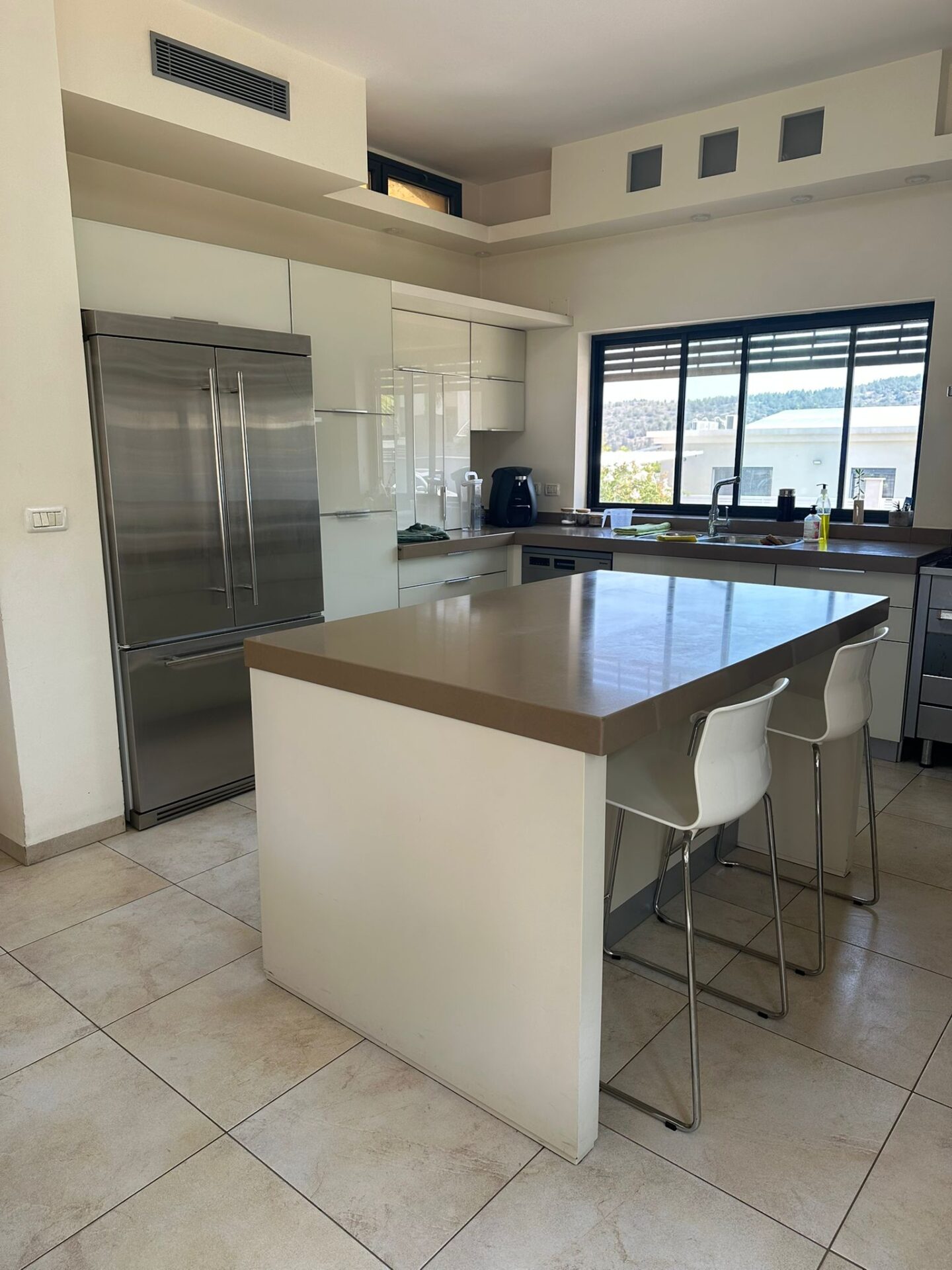
A chef’s kitchen remodel focuses on efficiency and function, incorporating professional-grade appliances like high-powered ovens and large refrigerators, expansive durable countertops like stainless steel, galley design workflow, powerful ventilation systems, ample clever storage, and optimal task and ambient lighting for serious culinary performance.
After three decades of creating kitchens for San Diego’s most passionate home cooks—from weekend warriors to James Beard nominees—I’ve learned that a chef’s kitchen isn’t just about expensive appliances. It’s about understanding how serious cooks actually work and designing every element to support culinary excellence.
The difference between a beautiful kitchen and a chef’s kitchen is the same as the difference between a luxury sedan and a Formula 1 race car. Both might look impressive, but only one is built for performance. Every surface, every appliance placement, every storage decision needs to serve the craft of cooking at the highest level.
Whether you’re a professional chef working from home, a serious home cook, or someone who simply demands the best from your culinary space, let me share what I’ve learned about creating kitchens that don’t just look professional—they perform professionally.

Key Elements for a Chef’s Kitchen
Professional-Grade Appliances: The Heart of Culinary Excellence
High-Powered Ovens and Ranges
Serious cooking demands serious heat control and consistency:
Commercial-Style Ranges:
- 48-60 inch ranges: Multiple high-BTU burners (15,000+ BTU minimum)
- Dual-fuel options: Gas cooktop precision with electric oven consistency
- Griddle and grill inserts: Expand cooking techniques without separate equipment
- Top brands: Wolf, Viking, BlueStar, Thermador for restaurant-quality performance
Professional Oven Features:
- Convection systems: Even heat distribution for consistent results
- Steam injection: Professional bakery-quality bread and pastries
- Proof settings: Controlled environment for rising dough
- Multiple rack positions: Maximize cooking capacity
Large Sub-Zero Refrigeration
Storage and temperature control are crucial for ingredient quality:
Refrigerator Requirements:
- 48+ inch width: Adequate space for bulk shopping and meal prep
- Dual temperature zones: Different storage needs for various ingredients
- Glass door options: Easy inventory without temperature loss
- Separate freezer: Preferably drawer-style for easy access
Specialized Cooling:
- Wine refrigerators: Proper storage for cooking wines and entertaining
- Beverage centers: Keep cooking beverages and staff hydrated
- Ice makers: Essential for service and presentation
Spacious Commercial Dishwashers
High-volume cooking requires serious cleanup capacity:
Commercial Features:
- High-temperature sanitizing: 180°F+ for proper sanitation
- Quick cycle options: 90-second wash cycles for rapid turnaround
- Multiple rack configurations: Handle everything from delicate glassware to sheet pans
- Sound insulation: Maintain kitchen ambiance during service
Expansive Counter Space: The Chef’s Canvas
Uninterrupted Work Surfaces
Professional cooking requires room to work without constraints:
Counter Space Guidelines:
- Minimum 15 linear feet: Adequate for serious meal preparation
- 42-inch depth: Deep enough for large cutting boards and equipment
- Multiple height levels: 36-inch standard with 42-inch raised sections for different tasks
- Mobile prep stations: Rolling carts that provide flexibility
Counter Configuration:
- Landing areas: 15+ inches on both sides of cooktop
- Prep zones: Dedicated 6-foot sections for ingredient preparation
- Assembly areas: Clean zones for plating and final preparations
Durable & Hygienic Countertops: Built for Performance
Stainless Steel: The Professional Standard
Commercial kitchens use stainless steel for good reasons:
Benefits of Stainless Steel:
- Heat resistance: Direct hot pan placement without damage
- Hygiene: Non-porous surface resists bacteria and odors
- Durability: Withstands heavy use and aggressive cleaning
- Knife-friendly: Won’t dull blades like harder surfaces
Alternative Professional Materials:
- Thick butcher block: 4+ inches for heavy chopping and cutting
- Natural stone: Granite or quartzite for baking and pastry work
- Concrete: Custom thickness and integrated features
- Composite materials: Engineered quartz with enhanced performance
Efficient Layout & Workflow: The Science of Kitchen Design
Galley Design: Maximizing Efficiency
Professional kitchens favor galley layouts for good reason:
Galley Advantages:
- Everything within reach: 4-6 foot width keeps all areas accessible
- Clear workflow: Linear progression from prep to cooking to plating
- Multiple cooks: Two people can work efficiently without collision
- Defined zones: Clear separation of functions
Enhanced Galley Features:
- Double islands: Central prep with equipment on both sides
- Pass-through windows: Connect to dining areas for service
- Overhead storage: Maximize vertical space without crowding
Work Triangle Optimization
Position sink, cooktop, and refrigerator for maximum efficiency:
Triangle Guidelines for Chefs:
- 4-9 feet between points: Close enough for efficiency, far enough to avoid crowding
- No obstructions: Clear pathways between primary work areas
- Multiple triangles: Create secondary triangles for specialized tasks
Beyond the Basic Triangle:
- Prep triangle: Sink, cutting area, ingredient storage
- Cooking triangle: Stove, oven, spice/oil storage
- Cleanup triangle: Dishwasher, sink, dish storage
Powerful Ventilation: Managing Heat and Aromatics
High-Powered Extraction Systems
Professional cooking generates serious heat, smoke, and odors:
Ventilation Requirements:
- 1,000+ CFM capacity: Handle high-BTU commercial ranges
- Variable speed controls: Adjust power to cooking intensity
- Heat sensors: Automatic operation based on temperature
- Sound dampening: Maintain conversation during operation
Professional Hood Types:
- Island hoods: Statement pieces for open kitchen designs
- Wall-mounted: Maximum extraction power against walls
- Downdraft systems: Integrated into cooktop for minimal visual impact
- Commercial inserts: Restaurant-grade performance in residential applications
Makeup Air Systems
High-powered ventilation requires proper air replacement:
Makeup Air Considerations:
- Balanced airflow: Prevent negative pressure and backdrafts
- Tempered air: Pre-heat or cool incoming air for comfort
- Integration: Coordinate with HVAC for optimal performance
Clever Storage: Organization for Efficiency
Professional Storage Solutions
Chefs need organized, accessible storage for hundreds of ingredients and tools:
Spice and Seasoning Storage:
- Alphabetized spice drawers: Clear visibility and easy access
- Temperature-controlled pantry: Preserve ingredient quality
- Bulk storage: Commercial-size containers for frequently used items
- Inventory systems: Clear labeling and rotation protocols
Equipment Storage:
- Knife storage: Magnetic strips or in-drawer systems
- Pot and pan racks: Overhead or pull-out systems
- Small appliance garages: Keep counters clear but equipment accessible
- Specialized storage: Custom solutions for unique equipment
Pantry Design for Serious Cooking
A well-organized pantry supports culinary excellence:
Walk-in Pantry Features:
- Temperature control: Keep ingredients at optimal storage conditions
- Multiple access points: Efficiency during busy cooking sessions
- Prep areas: Small sink and counter for ingredient preparation
- Inventory management: Clear containers and labeling systems
Functional Island: The Command Center
Multi-Purpose Design
A professional kitchen island serves multiple critical functions:
Island Functions:
- Primary prep surface: Large, uninterrupted work area
- Equipment integration: Built-in mixers, food processors, or induction burners
- Storage hub: Drawers and cabinets for frequently used items
- Service station: Plating area and pass-through to dining
Island Specifications:
- Minimum 8-foot length: Adequate work surface for serious cooking
- 42-48 inch width: Deep enough for equipment and storage
- Multiple height levels: Accommodate different tasks and users
- Electrical integration: Plenty of outlets for equipment
Optimal Lighting: Precision Illumination
Layered Lighting Systems
Serious cooking requires serious lighting:
Task Lighting:
- Under-cabinet LED strips: Shadow-free illumination of prep areas
- Pendant lights: Focused lighting over islands and key work areas
- Track systems: Adjustable spotlights for specific tasks
- Color temperature: 4000K-5000K for accurate food color assessment
Ambient and Accent Lighting:
- Recessed ceiling fixtures: General room illumination
- Toe-kick lighting: Safety and ambiance for evening cooking
- Display lighting: Highlight architectural features and collections
- Dimming systems: Create appropriate mood for different times
Specialized Features: Professional Conveniences
Advanced Cooking Features
Elements that separate chef’s kitchens from standard designs:
Specialized Equipment:
- Warming drawers: Keep multiple dishes at serving temperature
- Pot fillers: Eliminate heavy lifting at the stove
- Built-in grills: Indoor grilling capability
- Steam ovens: Professional cooking techniques
- Blast chillers: Rapid cooling for food safety
Convenience Features:
- Hands-free faucets: Hygiene during food preparation
- Built-in scales: Precision measuring integrated into prep areas
- Temperature monitoring: Digital displays for oven and refrigerator temperatures
- Sound systems: Music and communication during cooking

Design Considerations for San Diego Chef’s Kitchens
Flooring: Durability Meets Style
Professional cooking demands flooring that handles heavy use:
Professional Flooring Options:
- Polished concrete: Industrial aesthetic, easy cleaning, temperature comfortable
- Commercial-grade tile: Slip-resistant, chemical-resistant, unlimited design options
- Sealed natural stone: Luxury appearance with professional durability
- High-end luxury vinyl: Waterproof, comfortable, wood appearance
Performance Requirements:
- Slip resistance: Safety during busy cooking sessions
- Stain resistance: Handle spills and splatters
- Easy cleaning: Simple maintenance between cooking sessions
- Comfort: Reduce fatigue during long cooking sessions
Service Window: Professional Presentation
Connect kitchen to dining areas for seamless service:
Service Window Benefits:
- Efficient food service: Direct passage from kitchen to dining
- Visual connection: Maintain interaction during cooking
- Temperature control: Keep dining areas comfortable
- Professional presentation: Showcase culinary artistry
Open-Concept Layout: Social Cooking
Balance performance needs with entertaining capabilities:
Open Design Considerations:
- Sight lines: Position messy prep areas away from dining views
- Sound management: Minimize kitchen noise in living areas
- Ventilation: Prevent cooking odors from entering living spaces
- Traffic flow: Separate working kitchen from social areas
San Diego-Specific Considerations
Coastal Environment Adaptations
San Diego’s coastal location requires special attention:
Environmental Factors:
- Corrosion resistance: Stainless steel and marine-grade finishes
- Humidity control: Proper ventilation and moisture management
- Window treatments: UV protection for ingredients and finishes
- Outdoor integration: Seamless flow to outdoor cooking areas
Local Ingredients and Cuisine
Design for San Diego’s unique culinary landscape:
Local Cooking Styles:
- Mexican cuisine preparation: Adequate ventilation for high-heat cooking
- Seafood handling: Proper refrigeration and prep areas
- Farm-to-table prep: Washing and storage for fresh produce
- Outdoor entertainment: Integration with patio and garden areas
Working with Professional Kitchen Designers
Creating a true chef’s kitchen requires expertise beyond standard residential design. At Classic Home Contractors, we’ve designed kitchens for professional chefs, culinary school graduates, and serious home cooks throughout San Diego for over three decades.
Our approach starts with understanding how you actually cook. Do you batch prep on weekends? Host dinner parties for twelve? Focus on baking and pastry? Every chef works differently, and your kitchen should support your specific style.
We also understand the technical requirements that separate professional kitchens from standard designs—proper electrical service for high-powered appliances, adequate ventilation for serious cooking, and the structural modifications needed to support commercial-grade equipment.
Our team includes certified kitchen designers who understand both culinary workflow and building codes, ensuring your dream kitchen is both inspirational and completely functional.

Investment and ROI Considerations
Budget Planning for Chef’s Kitchens
Professional-grade kitchens require substantial investment:
Budget Guidelines:
- Entry-level chef’s kitchen: $80,000-120,000
- Mid-range professional: $120,000-200,000
- High-end culinary workspace: $200,000-400,000+
- Commercial equipment: 40-50% of total budget
Cost Factors:
- Professional appliances: Significantly more than residential equivalents
- Infrastructure upgrades: Electrical, plumbing, and ventilation improvements
- Custom millwork: Specialized storage and workflow solutions
- Premium materials: Commercial-grade surfaces and finishes
Return on Investment
Chef’s kitchens provide unique value propositions:
Financial Returns:
- Home value: Premium kitchens add 70-90% of cost to home value
- Market appeal: Attract serious cooking enthusiasts
- Rental potential: Command premium rates for vacation rentals
Lifestyle Returns:
- Culinary performance: Enable advanced cooking techniques
- Entertaining capability: Host large groups with confidence
- Professional development: Practice and refine culinary skills
- Daily satisfaction: Transform cooking from chore to joy
FAQ Section
Q: Do I really need commercial-grade appliances for home cooking, or are high-end residential appliances sufficient?
A: It depends on your cooking intensity and style. If you cook daily, entertain frequently, or practice professional techniques, commercial-grade appliances offer superior performance, durability, and temperature control. However, they require infrastructure upgrades (gas lines, electrical service, ventilation) that add significant cost. High-end residential appliances like Wolf or Thermador can satisfy most serious home cooks while being more practical to install and service. Consider your actual cooking habits, not just aspirations.
Q: How much additional electrical and gas service will I need for a chef’s kitchen?
A: Most chef’s kitchens require significant utility upgrades. Plan for 220V/50-amp service for electric ranges, additional 110V circuits for small appliances, and potentially 3/4″ gas lines for high-BTU ranges (standard residential is typically 1/2″). Professional hoods may require 240V service, and you’ll need adequate electrical capacity for refrigeration, lighting, and ventilation. Budget $8,000-15,000 for electrical upgrades and $3,000-8,000 for gas service improvements. Always involve licensed professionals for utility work.
Q: What’s the difference between a kitchen island and a chef’s island, and do I need the extra investment?
A: A standard kitchen island focuses on casual dining and storage, while a chef’s island is a serious work surface with professional features. Chef’s islands typically include: thicker, more durable countertops (3″+ vs 1.25″), integrated equipment (prep sinks, induction burners, outlets), specialized storage (knife blocks, spice drawers), and larger dimensions (10’+ length vs 6-8′). The investment ($15,000-40,000 vs $5,000-15,000) is worthwhile if you do serious cooking, but unnecessary if you primarily reheat and assemble meals.
Ready to Create Your Culinary Masterpiece?
A true chef’s kitchen isn’t just about having the most expensive appliances—it’s about creating a space where culinary artistry can flourish. Every element, from the height of your prep counters to the placement of your spice storage, should support your passion for exceptional cooking.
The difference between dreaming about professional-level cooking and actually achieving it often comes down to having the right kitchen. Don’t let inadequate workspace limit your culinary potential.
Contact Classic Home Contractors today for your free chef’s kitchen consultation. We’ll assess your cooking style, discuss your culinary goals, and design a kitchen that matches your skills and inspires your creativity.
Resources:
Internal Links:
External Links:
About the Author